



Introduction
Every platform algorithm update sends a wave of panicked strategy pivots through marketing teams. Brands that built their entire social presence around gaming the current algorithm lose momentum overnight when it changes. Brands built on genuine content pillars and community barely notice.
This is how we build social strategies at Webroller so they survive the next algorithm update instead of depending on it.

The Problem
Chasing whatever format or trend a platform is currently favouring produces content that performs briefly and says nothing distinctive about the brand — and collapses the moment the algorithm shifts its preferences again.
Write down your three content pillars right now, in one sentence each. If you can't, your content calendar is probably being driven by trends instead of strategy — and that's the actual first fix.
A snack brand we worked with rebuilt its content around a single pillar — real recipe use-cases — instead of chasing trending audio, and saw engagement compound over months as the audience began to associate the account specifically with that value.
The Solution
Build social strategy around fixed content pillars tied to genuine audience value, treat platform trends as tactics layered on top (not the strategy itself), and invest in community response as seriously as content production.
“Platforms reward content that keeps people on the platform longer. Genuine value to your audience and algorithm performance are far more aligned than most brands assume — chasing the algorithm directly is usually the less efficient path.”
— Abhishek, Content & Growth Editor at WebrollerKey Benefits
Algorithm Resilience
Content built around audience value rather than algorithm-gaming keeps performing even as platform preferences shift.
Stronger Brand Recall
Consistent content pillars build recognizable presence, rather than a feed of disconnected trend-chasing posts.
Compounding Community
Genuine community management turns followers into repeat engagers, which platforms reward independent of format trends.
Cross-Platform Efficiency
Fixed content pillars adapt across platforms more efficiently than reactive, platform-specific trend content.
Better Paid Social Performance
Organic content that already resonates gives paid social a stronger creative foundation to scale from.
Real-World Examples
Content pillar system
A brand builds its content calendar around 3–4 fixed pillars (education, behind-the-scenes, product, community) instead of reactively chasing whatever format is trending that week.
Community-first response
A brand that replies substantively to comments and DMs builds measurably higher engagement rate than one that posts and disengages.
Format-agnostic messaging
Core brand messaging is adapted to whatever format currently performs (Reels, carousels, long-form) without changing the underlying content pillar.

Case Study
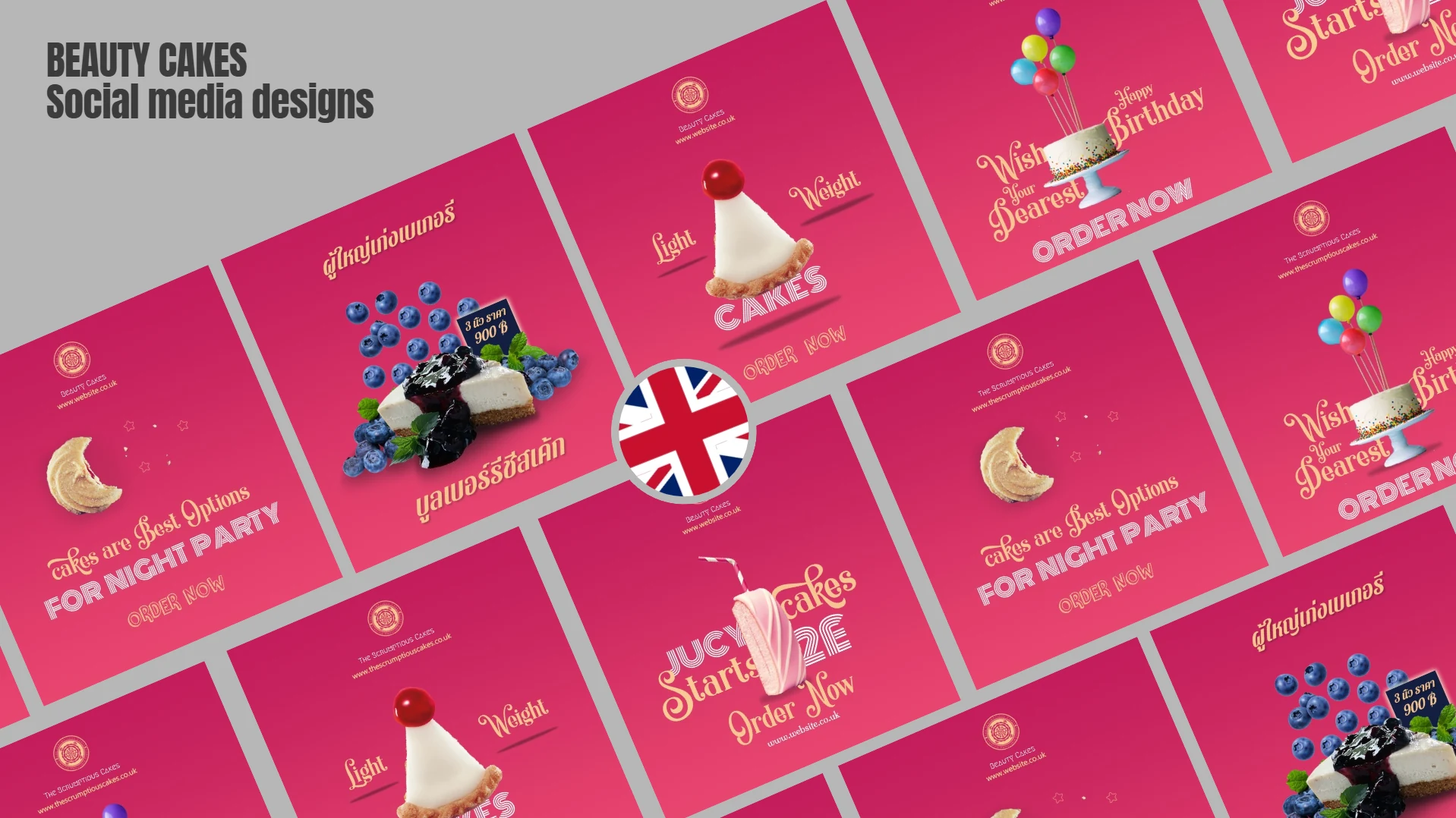
Beauty Cakes
A bold, appetite-first social media creative system for a UK bakery brand.
Beauty Cakes replaced one-off posts with a consistent brand voice, using bilingual seasonal campaigns to turn feed scrolls into cake orders.
Read Full Case StudyBy The Numbers
Practical Tips
- Define 3–4 content pillars tied to genuine audience interests, not just product features.
- Reply to comments and DMs like a person, not a brand account — it measurably improves engagement and trust.
- Repurpose long-form content into platform-native short-form rather than creating everything from scratch.
- Track saves and shares, not just likes — they're stronger signals of content actually being valuable to your audience.
- Test new formats within your existing pillars before abandoning a pillar that's underperforming.
- Give new content formats at least a few weeks of consistent posting before judging performance.
Best Practices
- Assign real ownership of community management — it shouldn't be an afterthought squeezed into someone's other role.
- Build a lightweight content calendar that balances pillars rather than over-indexing on whichever performed best last month.
- Use platform-native editing tools where possible; content that looks obviously repurposed tends to underperform.
- Review performance monthly by pillar, not just by individual post, to spot which themes are actually working.
- Keep a swipe file of high-performing formats and hooks to speed up future content production.
Common Mistakes
- Rebuilding content strategy from scratch every time a platform algorithm changes.
- Posting consistently but never responding to comments or messages.
- Chasing every trending format regardless of whether it fits the brand's actual pillars.
- Judging content performance by likes alone instead of saves, shares, and conversion.
- Treating organic and paid social as entirely separate strategies instead of feeding one into the other.
Summary
Social strategies that survive algorithm changes are built on fixed content pillars and genuine community investment — platform trends are tactics layered on top, never the foundation itself.
Conclusion
The next algorithm update is coming regardless of what you do. The only real hedge is a content strategy that was never dependent on gaming the current one in the first place.






Really useful breakdown — the point about sequencing (strategy before execution) is something we got backwards on our last project.
Would love a follow-up on how this applies to smaller teams without a dedicated in-house function for this.
Great question, Ananya — we'll add that to our content pipeline. Short answer: the same principles apply, just with tighter scope per phase.