
1886
Year establishedSource: Coca-Cola history — verify before publication.

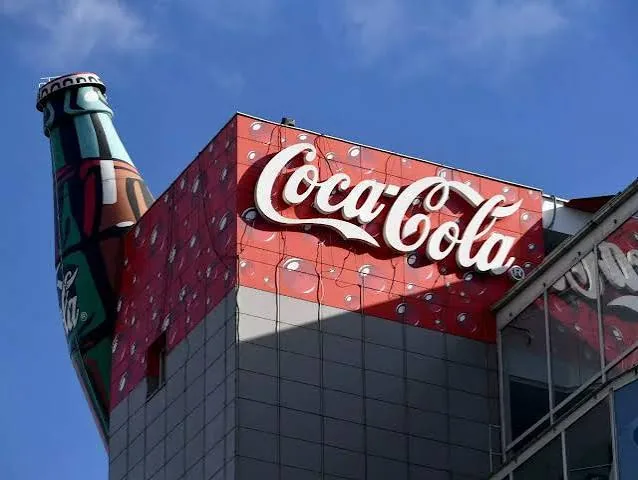
One script logotype, one silhouette, one red — held constant for 140 years across 200+ countries, while almost everything around them was allowed to change.
A case study in brand consistency, emotional storytelling, global distribution and cultural relevance.
Independent educational case study. Not affiliated with The Coca-Cola Company.
The figures below are deliberately presented as editable placeholders where verification is required.
A concise timeline designed to accept verified archival images and citations.
The Coca-Cola beverage was created in Atlanta in 1886, establishing the starting point for a brand journey that would later extend far beyond its original local market.
Early advertising, product presentation and packaging helped turn a beverage into a recognizable branded experience. This stage illustrates the importance of consistency before mass global media became dominant.
The distinctive contour bottle became an important physical brand asset. Its silhouette created recognition beyond a printed wordmark and remains central to the visual history of Coca-Cola.
Expansion through bottling and distribution systems increased physical availability across markets. Distribution became more than logistics: it became a mechanism for making the brand repeatedly visible at points of consumption.
Coca-Cola used successive mass-media formats to build broad awareness and emotional associations. The media mix evolved while the core visual and emotional codes remained recognizable.
Sports and entertainment partnerships connected the brand with shared cultural moments, helping translate a global identity into experiences that audiences could recognize and participate in.
Personalized packaging shifted the package from a passive identifier into a participation device. The campaign encouraged consumers to look for names, share bottles and create social interactions around the product.
Contemporary brand building combines digital participation, experiential activity, packaging, distribution and a broader beverage portfolio. The strategic challenge is balancing heritage with changing consumer expectations.
Distribution, availability and marketing reinforce one another when the system works as a whole.
All chart values live in one JavaScript object. Current values below are intentionally illustrative or placeholders until replaced with verified research.
Assess leadership within a clearly defined beverage category rather than using an undefined “market share.”
Compare markets separately because consumer behaviour, portfolios and competitive structures differ.
Availability can reinforce awareness and purchase convenience.
Track Pepsi and other beverage alternatives alongside changing consumption preferences.
Category: [Define category] · Geography: [Define geography] · Period: [Define reporting period] · Source: [Insert source]
Company-level share and Coca-Cola brand-level share are different measurements and should never be presented interchangeably.
The strategic lens below focuses on the recurring brand codes and behaviours described in the case-study brief.
Emotional framing turns a functional refreshment into a broader mood and occasion.
Consumption is repeatedly connected to social rituals, relationships and participation.
Distinctive, repeated assets help the brand remain identifiable across contexts.
Colour, contour, packaging and motion create memory structures beyond a logo.
A global identity can be adapted through local language, culture, media and occasions.
Being present when and where consumers want refreshment links brand strategy to distribution.
Objective: Associate Coca-Cola with unity and connection.
Creative idea: A shared musical expression of togetherness.
Audience / channels: Mass audiences through broadcast and advertising.
Impact: Add a sourced impact measure; do not infer one.
Objective: Reinforce continuity and brand familiarity.
Creative idea: A memorable, repeatable brand platform.
Audience / channels: Mass media and advertising.
Impact: Insert verified campaign evidence.
Objective: Connect consumption with optimism and positive emotion.
Creative idea: Position the product as an invitation to an emotional moment.
Audience / channels: Integrated advertising and digital activity.
Impact: Insert verified campaign evidence.
Objective: Encourage personal participation and sharing.
Creative idea: Put names and personalization on packaging.
Audience / channels: Packaging, social media, retail and experiential activity.
Impact: Insert market-specific sourced results.
| Dimension | Coca-Cola | Pepsi | Other beverage brands |
|---|---|---|---|
| Core positioning | Emotional refreshment / broad cultural relevance | Pop-culture and youth-oriented positioning in many markets | Varies by category and brand |
| Emotional territory | Happiness, sharing, connection | Energy, entertainment, contemporary culture | Varies |
| Visual identity | Red/white, contour, script heritage | Blue/red visual system and evolving identity | Varies |
| Target audience | Broad, with localized executions | Broad, with strong youth/culture associations | Category-dependent |
| Product portfolio | Broad beverage portfolio | Broad beverage portfolio | Varies |
| Distribution strength | Major global distribution ecosystem | Major distribution ecosystem | Varies |
| Digital strategy | Participation, storytelling and experiences | Entertainment, creators and culture | Varies |
| Cultural associations | Sharing, holidays, sport and everyday occasions | Music, sport and popular culture | Varies |
| Key advantage | Distinctive assets + scale + distribution + heritage | Strong competitor brand equity and cultural relevance | Specialization, innovation or niche positioning |
Qualitative comparison for educational analysis; verify market-specific claims before publication.
Advertising creates awareness; retail visibility and distribution support availability; packaging and taste shape experience; cultural relevance and participation can support loyalty and advocacy. This is a strategic model, not a measured conversion funnel.
Response: Portfolio diversification and lower-sugar options can address changing demand.
Remaining risk: Consumer expectations and health policy continue to evolve.
Response: Packaging and recycling initiatives can reduce environmental impact.
Remaining risk: Scale makes packaging impact material and scrutiny ongoing.
Response: Adapt products, labelling and market practices to applicable regulation.
Remaining risk: Rules differ across markets and can change.
Response: Broaden the portfolio and localize propositions.
Remaining risk: More SKUs increase complexity.
Response: Invest in distinctive assets, distribution and culturally relevant communication.
Remaining risk: Competitors can imitate formats and compete for occasions.
Response: Clearer sourcing, sustainability and product communication can support trust.
Remaining risk: Claims require evidence and consistent execution.
The supplied brief requires credible sources and direct URLs. This template intentionally avoids fabricating research values.
Important: All sample chart values are marked “Illustrative Data” and must be replaced before publication.
Let's talk about what a similarly disciplined brand transformation could look like for you.
Book a Strategy Call